

Relaxation and Stress Management: Practical Techniques That Can Help
Stress is a normal response to demands and uncertainty. Short periods of stress can be useful, but ongoing stress can affect sleep, concentration, mood and physical symptoms. Relaxation techniques can help some people reduce the body’s stress response and create a greater sense of calm.
What are relaxation techniques?
Relaxation techniques are practices intended to produce the body’s relaxation response. They often use slower breathing, focused attention, muscle relaxation or calming imagery.
Techniques you can try
- Slow breathing: breathe comfortably and slowly, allowing the abdomen to move naturally rather than forcing very deep breaths.
- Progressive muscle relaxation: gently tense and then relax different muscle groups while noticing the contrast.
- Guided imagery: focus on a calming scene or experience while allowing the body to settle.
- Mindfulness: pay attention to present-moment sensations, thoughts and feelings without immediately judging or reacting to them.
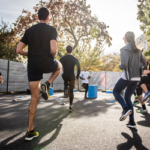
- Gentle movement: walking, stretching, yoga or tai chi can combine physical activity with a calming routine when appropriate for you.
Consistency matters more than perfection
Relaxation skills often become easier with practice. A few minutes at a regular time may be more realistic than waiting until stress is overwhelming. Some people prefer quiet breathing exercises; others relax better through movement, music, time outdoors or a supportive conversation.
Relaxation is not a cure for every problem
Relaxation techniques may help with stress, but they should not be used to delay medical or mental-health care. Persistent depression, severe anxiety, panic, trauma symptoms, insomnia, substance-use problems or suicidal thoughts may need professional assessment and evidence-based treatment.
Can relaxation ever feel uncomfortable?
Yes. Although relaxation practices are generally considered safe, a small number of people report increased anxiety, intrusive thoughts or distress. People with a history of trauma may find some eyes-closed or body-focused exercises uncomfortable. If a technique makes you feel worse, stop and choose another approach or discuss it with a qualified professional.
Build relaxation into a wider stress plan
Stress management works best as part of a broader routine that may include regular physical activity, adequate sleep, social connection, realistic workload boundaries and professional care when needed.
Editorial sources
- National Center for Complementary and Integrative Health: Relaxation Techniques
- NCCIH: Relaxation Techniques for Stress
This article provides general educational information and does not replace medical or mental-health care.