
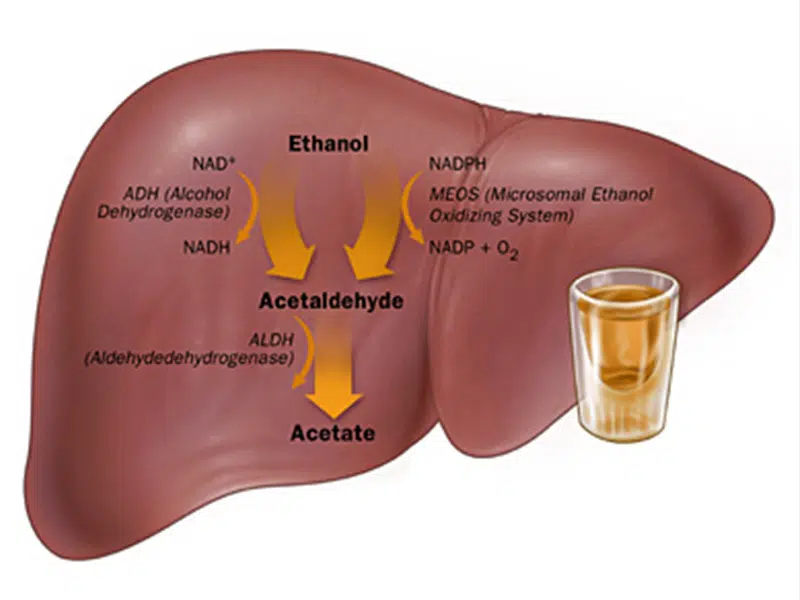

Alcohol-Associated Liver Disease: Fatty Liver, Hepatitis, Cirrhosis, and Treatment
Alcohol-associated liver disease (ALD) is liver damage related to harmful alcohol exposure. It ranges from fat accumulation in the liver to alcohol-associated hepatitis and cirrhosis.
The spectrum of alcohol-associated liver disease
- Alcohol-associated steatosis: excess fat accumulates in liver cells and may improve substantially after alcohol cessation.
- Alcohol-associated hepatitis: an inflammatory liver syndrome that can cause jaundice and severe illness.
- Cirrhosis: advanced permanent scarring that can lead to portal hypertension, liver failure and liver cancer risk.
Possible symptoms
Early disease may cause few or no symptoms. More advanced disease can cause fatigue, loss of appetite, abdominal swelling, jaundice, itching, leg swelling, easy bruising, confusion or gastrointestinal bleeding.
New jaundice, vomiting blood, black stools, severe abdominal swelling, confusion or marked drowsiness requires urgent medical assessment.
Diagnosis
Evaluation can include alcohol-use history, physical examination, blood tests and imaging. Additional tests may be needed to assess liver scarring, exclude viral or metabolic liver disease, or determine whether cirrhosis is present.
The most important treatment is stopping alcohol
For people with alcohol-associated liver disease, current guidance recommends complete abstinence from alcohol. Continuing to drink can accelerate liver injury. In earlier fatty-liver disease, stopping alcohol can allow substantial recovery; in cirrhosis, it can prevent further injury and improve survival even though established scar tissue may not fully reverse.
Treat alcohol use disorder at the same time
Alcohol-use treatment is a core part of liver care. Depending on the person, this may include counseling, addiction-medicine support and medications for alcohol use disorder.
Nutrition and complications
People with significant ALD can be malnourished and may need individualized nutrition support. Supplements marketed as “liver detox” products should not replace medical care, and some herbal products can themselves injure the liver.
Liver transplant
Advanced liver failure or selected cases of severe alcohol-associated hepatitis may lead to transplant evaluation. Modern transplant programs assess medical status, alcohol-use treatment and relapse risk individually rather than relying on one universal waiting period.
There is no “safe moderation” target once ALD is diagnosed
Population drinking limits are not treatment targets for someone with established alcohol-associated liver disease. Abstinence is the safest course.
Editorial sources
This article provides general education and does not replace hepatology, addiction-medicine or emergency care.


